Researchers have shown that the physical design of a classroom can measurably affect how well students learn. That matters because schools rarely treat classroom layout, lighting, flexibility, or flow like random details. Yet the school playground is still too often planned like leftover square footage instead of a learning environment.
That mismatch never made much sense. Children do not stop being learners when they step outside. Recess is not dead time. It is where attention resets, bodies move, friendships get tested, and self-regulation gets rehearsed in real time. The CDC’s guidance on recess and school-day physical activity connects those opportunities to better attention, behavior, and academic performance, which means the outdoor environment deserves the same seriousness we give the indoor one.
If we believe environment shapes learning inside the building, then designing school playgrounds should follow the same logic outside the building. The question is not whether the school playground matters. The question is why so many schools still plan it last.

Why classrooms get the strategy treatment
Schools design classrooms with intention because everyone understands the stakes. Teachers need visibility. Students need comfort, choice, movement, and structure. Furniture is selected to support the age group, the lesson style, and the rhythm of the day. Wall space is used on purpose. Acoustics matter. Lighting matters. Circulation matters. Even the distance between tables matters. Nobody says, “Just put some desks in there and hope for the best,” because classrooms are expected to do real work.
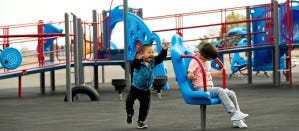
That same design discipline should apply to a school playground. A school playground is not just a place to burn energy between “real” learning blocks. It is where children practice balance, coordination, confidence, cooperation, risk assessment, conflict resolution, and independence. Those are not side quests. Those are part of how young students become ready to learn, ready to relate, and ready to grow.
What school playground design should borrow from classroom design
Good classroom design starts with a clear goal, and good school playground design should do the same. Before anyone starts picking out school playground equipment, schools should ask the same kind of questions they ask when planning academic spaces: What do students need to do here? What skills should this environment support? How can we create enough challenge without creating chaos? How will teachers supervise it? How will all students participate?
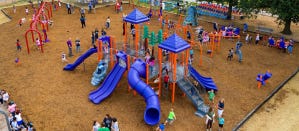
That shift changes everything. Instead of treating the school playground like a shopping list, schools start treating it like a framework. They think about age-appropriate challenge. They think about how students move from one activity to another. They think about inclusion, shade, supervision, circulation, surfacing, and how the space works during recess, PE, before-school programs, after-school use, and family events. In other words, they stop buying equipment and start designing experiences.
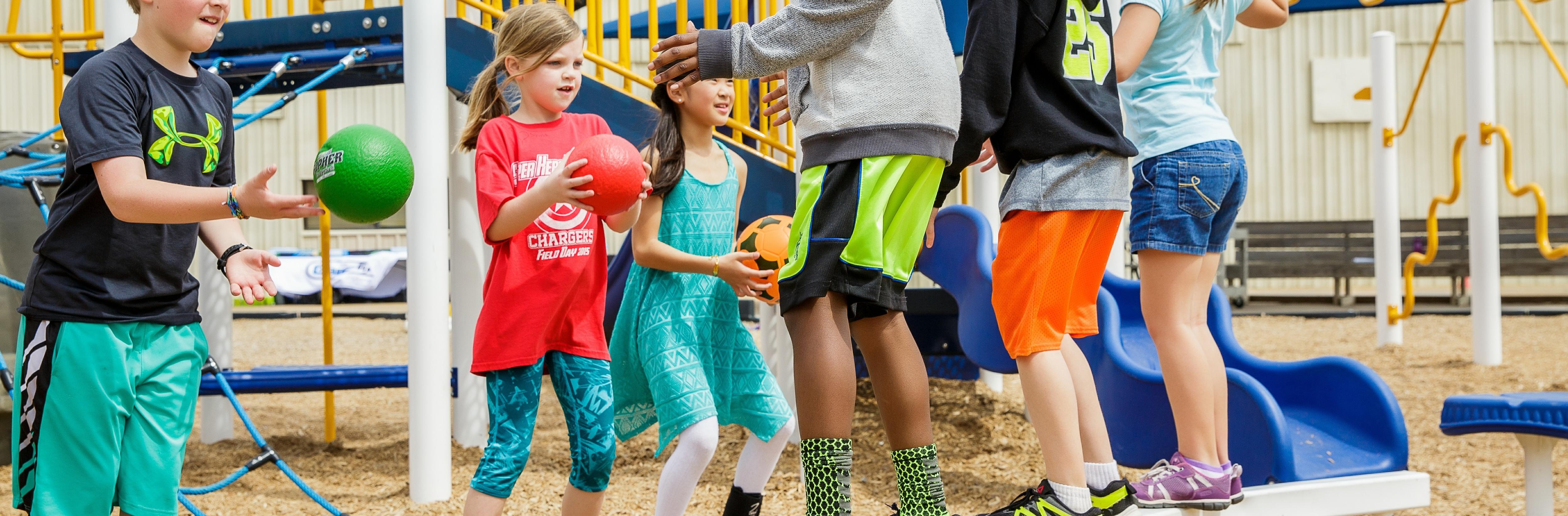
A school playground is part of the learning environment
That idea is already supported far beyond the playground industry. The American Academy of Pediatrics has long argued that recess is a crucial part of healthy child development, not a disposable extra. The National Association for the Education of Young Children points to outdoor play as a driver of physical, cognitive, social, and emotional growth. Missouri’s own Healthy Schools guidance says healthier students perform better academically, behave better, and attend school more consistently. When you lay those ideas side by side, the case gets pretty hard to ignore.
PlayCore’s Play On! Design Guide pushes that same argument one step further by treating the school playground as critical infrastructure for health and wellness. That is exactly the right phrase. Infrastructure is not decoration. It is not optional. It is what makes the rest of the system work. A school playground that supports movement, choice, challenge, and programming can help schools reinforce the goals they already care about inside the classroom: focus, engagement, belonging, and student success.
When school playground equipment becomes instructional infrastructure
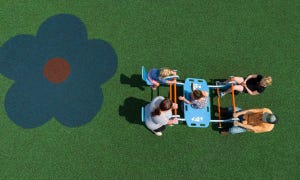
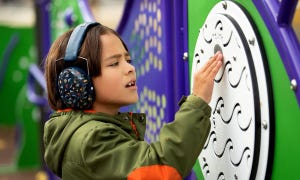
This is where intentionality gets practical. A better school playground design does not happen because a campus adds more pieces and calls it a day. It happens when the layout, the equipment mix, and the site amenities all support how students actually use the space. That might mean creating intuitive looping movement instead of dead ends. It might mean balancing high-energy zones with quieter side-by-side spaces. It might mean choosing equipment that supports different levels of challenge instead of one difficulty setting for every child. It definitely means remembering that the best school playground equipment is not the flashiest piece in the catalog. It is the equipment that earns repeated use and supports better outcomes.
That is also why designing school playgrounds with intention should involve more than facilities staff alone. Teachers, PE leaders, school administrators, and even community partners all have something useful to say about how the space should work. Classrooms get better when instructional goals shape the layout. School playground design gets better the same way.
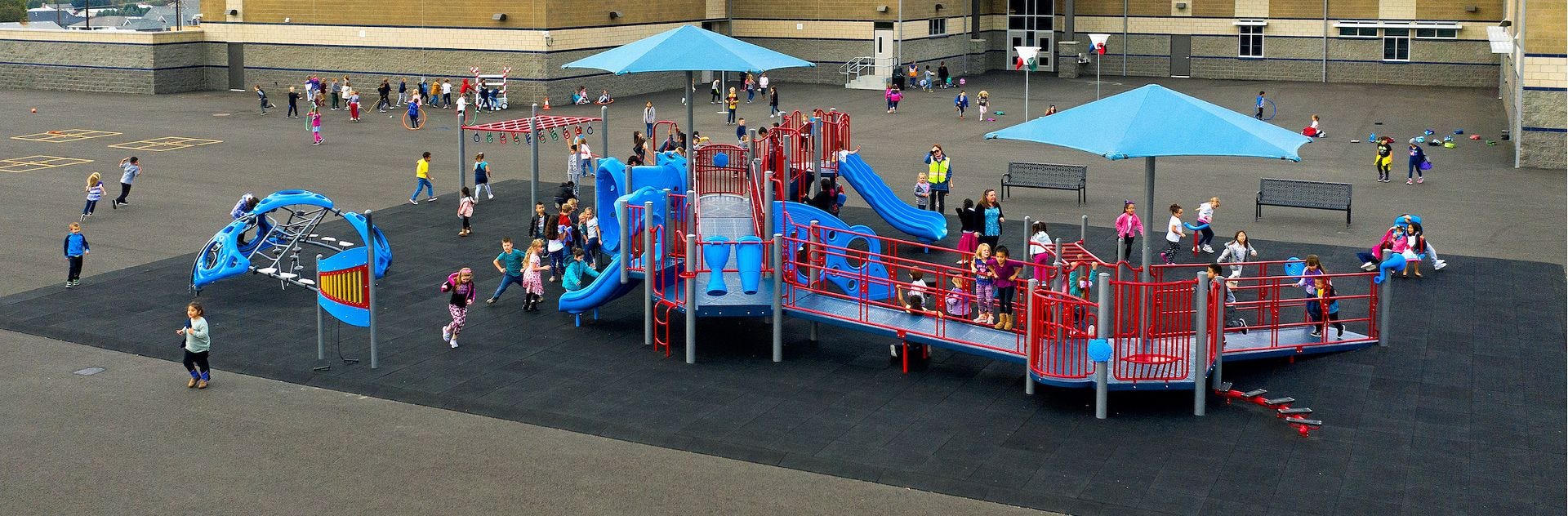
The Playground Should Be Planned, Not Left Over
If a school classroom deserves strategy, structure, and purpose, the school playground deserves it too. Designing school playgrounds with the same intention we bring to classrooms creates a campus that works harder for students all day long, inside and out. When schools are ready to build a school playground that supports movement, learning, and long-term student success, they should start planning it like the learning environment it already is. To start planning your school playground, contact your local GameTime school playground expert.