The strongest argument for intentional school playground design is not theory. It is what happens when real schools build outdoor spaces that are designed to do real work. A recent Springfield case study shows the idea in motion. And when you line those stories up next to public school data, the case for designing school playgrounds on purpose gets a lot more concrete.
The Play On! Design Guide includes examples from Missouri and Mississippi that are worth paying attention to because they show a pattern. The winning formula is not just new school playground equipment. It is intentional design, active programming, teacher support, and a clearer idea of what the school playground is supposed to accomplish for students and the community.
That matters because schools do not need fairy tales. They need proof points. They need to see what intentional school playground design looks like on the ground, what it asks of educators, and what kinds of student outcomes it can help support over time.

Springfield, Missouri: school playground design at district scale
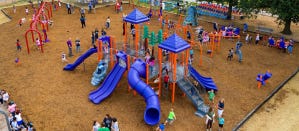
In Missouri, the Play On! case study points to Springfield-Greene County as a pioneer in school-park partnerships and shared-use thinking. Many school playgrounds in Springfield are open to the public outside school hours, which expands access and helps the district get more value from every investment. The Play On! guide also notes that nine local elementary schools participated in a national research study that examined the value of the program as part of elementary physical education. Teachers reported that students were active at the same time instead of waiting their turn, and that even children who did not usually enjoy PE responded differently when the activity felt like play.
That district-wide story gets even more tangible at Weller Elementary in Springfield, where GameTime recently highlighted a Play On!-based playground designed to increase daily movement and support long-term wellness goals. Missouri DESE’s public district directory lists Springfield R-XII with 39 elementary campuses, which is exactly why intentional school playground design matters so much here. At that scale, the school playground is not a side feature. It is a system-wide learning and wellness asset.
Missouri DESE also makes the larger point plainly in its Healthy Schools guidance: healthier students tend to perform better academically, attend more consistently, and experience fewer behavior problems. That context makes Springfield’s movement-centered approach feel less like enrichment and more like common sense.
Mississippi: design plus training, not just installation
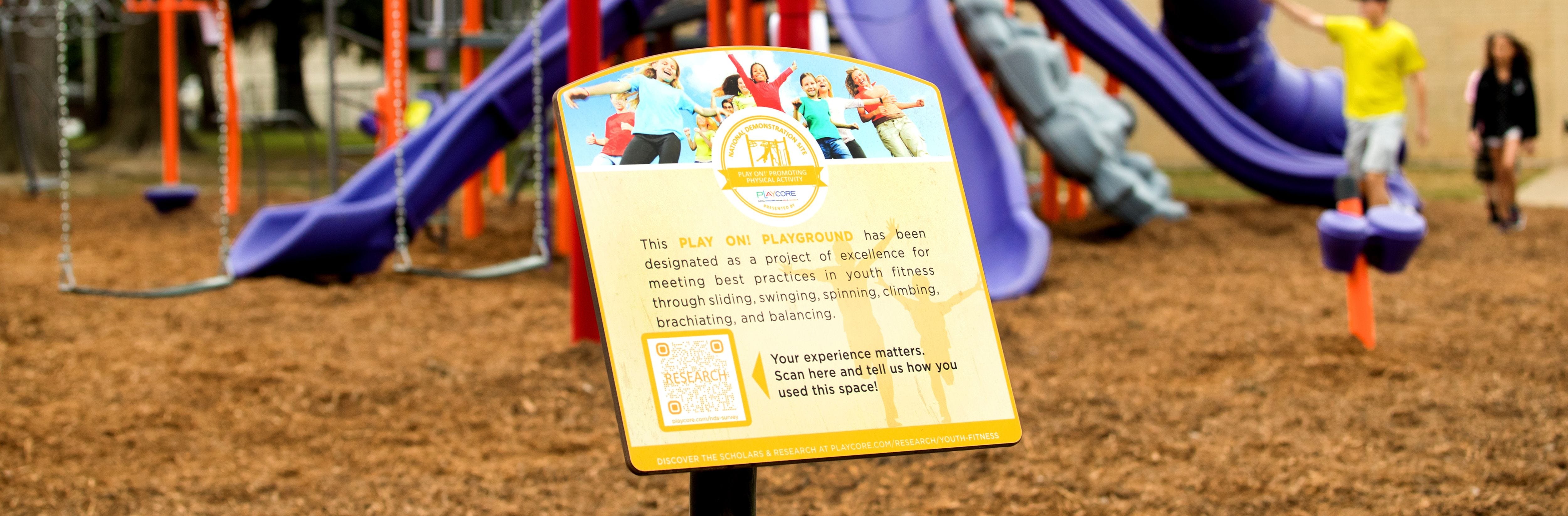
The Mississippi example in the Play On! Design Guide is powerful for a different reason. It was not only about replacing outdated playgrounds. It paired design with educator training. According to the guide, the statewide initiative created more than 96,000 square feet of new play spaces across Mississippi, impacted 17 schools and more than 7,300 students, and included more than 20 hours of training for 25 educators. Every participating educator agreed with the training outcomes and said they would recommend Play On! to other schools.
That training piece is easy to overlook, but it is probably one of the most important lessons in the entire series. A school playground works better when adults know how to use it well. When educators understand the six active play elements, the standards-aligned activities, and the intended movement patterns of the site, the school playground becomes easier to program during PE, recess, family events, and before- or after-school programming. The space starts doing more than sitting there and looking nice.
What the Mississippi report cards show
Public report-card data from the Mississippi Department of Education adds another layer. Houston Upper Elementary, part of Chickasaw County School District, is currently an A-rated school. On its 2024-2025 Mississippi Succeeds report card, Houston Upper posted 58.1% math proficiency, 61.1% English proficiency, and 76.1% science proficiency. Houston Lower Elementary’s 2022-2023 report card showed 54.4% math proficiency, 90.1% math growth, and 87.0% growth among students in the lowest-performing quarter, which is the kind of number school leaders notice.
Union Elementary offers a useful reminder that real school performance is rarely a straight line. Its 2024-2025 Mississippi Succeeds report card shows 62.0% math proficiency and 55.0% English proficiency, while also showing a chronic absenteeism rate of 19.5%. That combination is exactly why intentional school playground design matters. Schools need environments that support both engagement and wellness, not just test preparation. Better movement opportunities alone will not solve every challenge, but they can support the kind of healthier school culture that student success depends on.
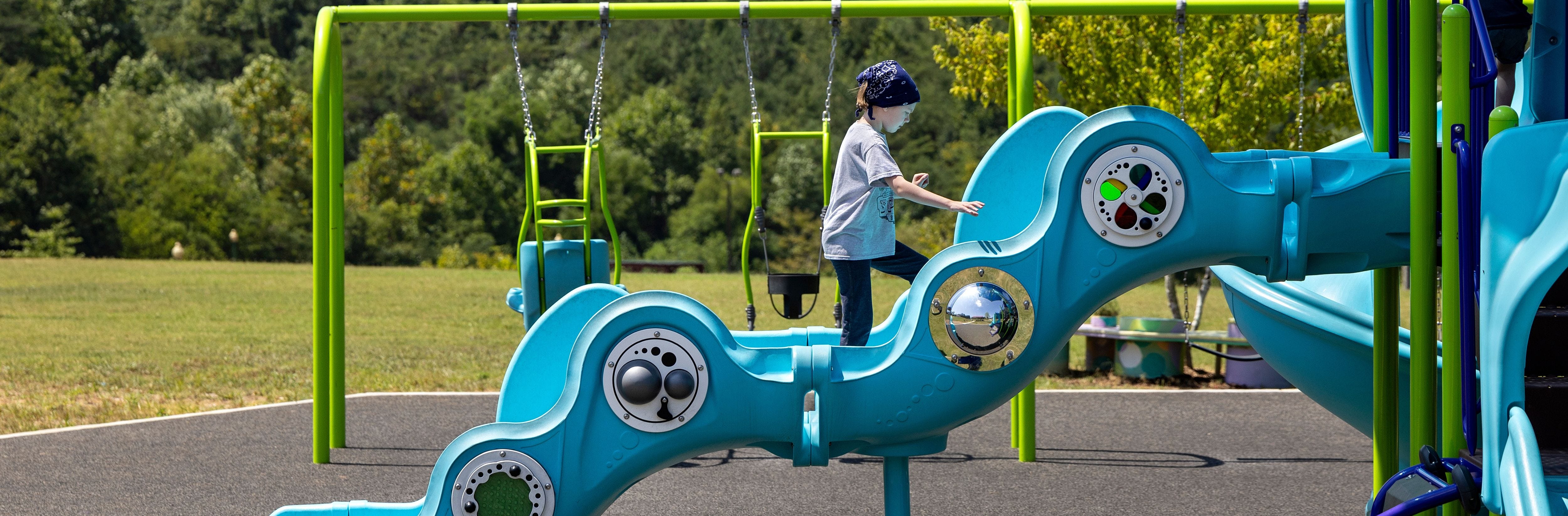
Build the Ideal Playground The Case for Building on Purpose
These Missouri and Mississippi examples point to the same conclusion. The school playground works best when schools stop treating it like an afterthought and start treating it like strategy. Intentional school playground design helps schools create more opportunities for movement, more inclusive play, better use of PE time, stronger family engagement, and more value from the same square footage. It also creates a cleaner story for school leaders: the playground is not competing with learning. It is supporting learning.
That is the part worth remembering. The most effective school playground equipment is not just durable, attractive, or budget-friendly. It is equipment chosen and arranged to support how students move, interact, recover, and return to class. That is what turns a project into an asset. To start planning your school playground, contact your local GameTime school playground expert.