In the mid-90s, coffee shops stopped trying to just sell coffee. They started to sell the idea of belonging.
One national coffee chain built their brand around a simple but powerful idea: every one of their shops should be a “third place”—that space between home and work where people could slow down, connect, and feel part of something larger.
And for a while, it worked. Who could resist the smell of espresso, the low hum of conversation, and the feeling of togetherness? Coffee shops became the default gathering place for a generation that was losing real community.
But there was a catch. You had to buy your seat.
That “third place” was always transactional. Your permission to linger came with a $6 coffee and a Wi-Fi code. It was connection…curated, commercialized, and contained within four branded walls.
The Real Third Place Has Been Here All Along
Parks were the first third place. Long before baristas figured out how to monetize comfort, cities and towns built spaces where people could meet, play, and recharge without the need to swipe a credit card.
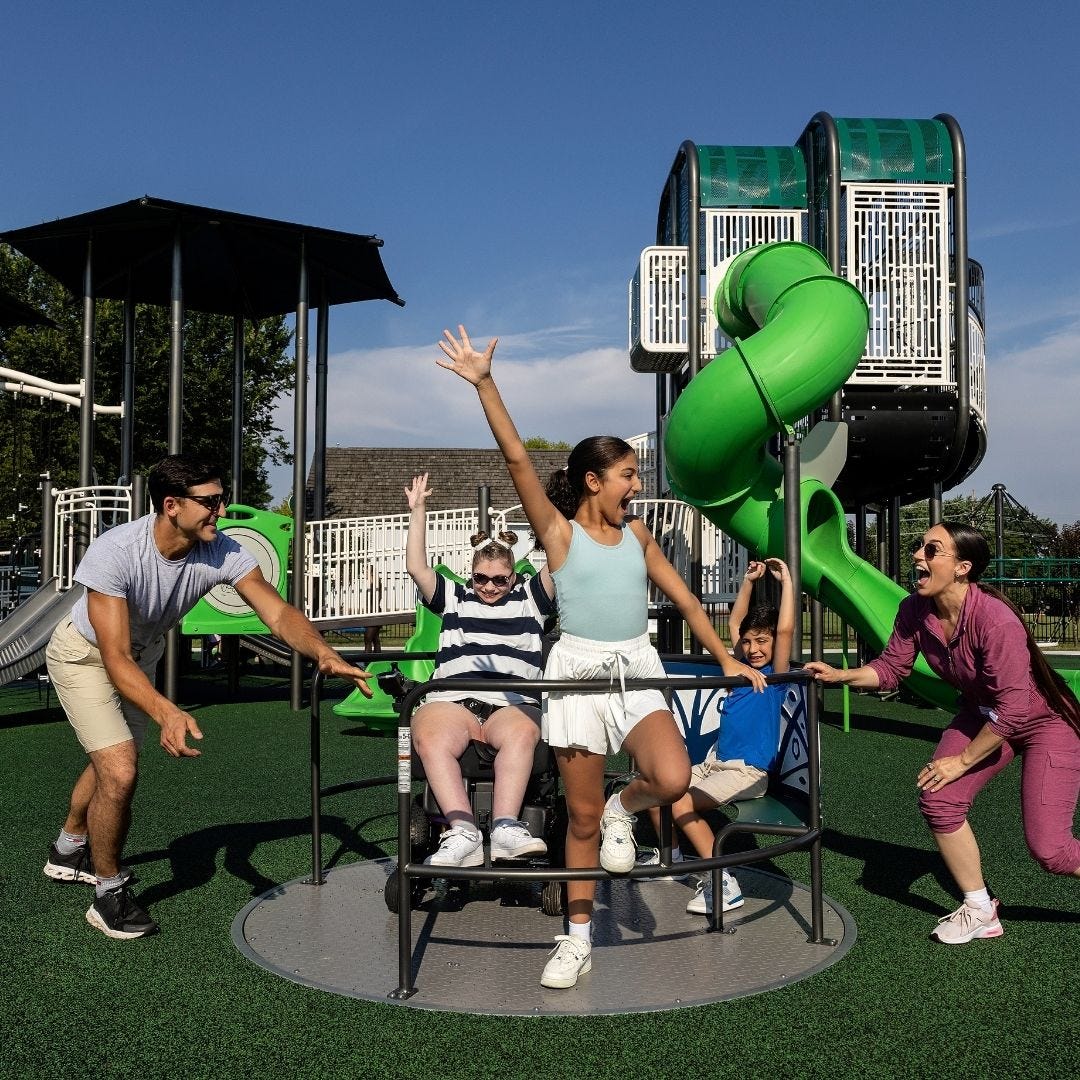
Parks don’t care who you are, what you wear, or what you ordered. They welcome everyone: families, students, retirees, dog walkers, first dates, and pickup basketball players.
They are the original liminal space—that sacred in-between where we’re neither home nor at work, but something freer.
Coffee Might Be Culture. Parks Are Civilization.
A coffee shop can mimic community. A park creates it.
When you walk through a park, you see actual life happening: kids chasing dogs, couples arguing softly, someone sketching under a tree, a teenager lying in the grass with earbuds in. It’s unfiltered humanity.
It’s also deeply healthy. Research shows people who spend just 20 minutes in a park report significantly lower stress and higher feelings of connection and belonging. And according to the National Recreation and Park Association, more than 276 million Americans visited a local park or recreation facility in the past year. That’s nearly nine out of ten of us.
Compare that to national coffee chains. Those companies don’t exactly publish visitor data Analysts estimate roughly 36% of the U.S. public regularly visit a coffee shop. That’s a fraction of the people who visit local parks.
If the goal is to create a shared “third place” for the nation, the evidence is clear: parks win.
What the Cafes Got Right
Let’s give the coffee pourers credit. They recognized something we were missing. People crave connection. We want spaces that aren’t home or work, places where time slows down, where we feel seen. They named the void. They just didn’t fill it.
True community doesn’t come with a receipt.
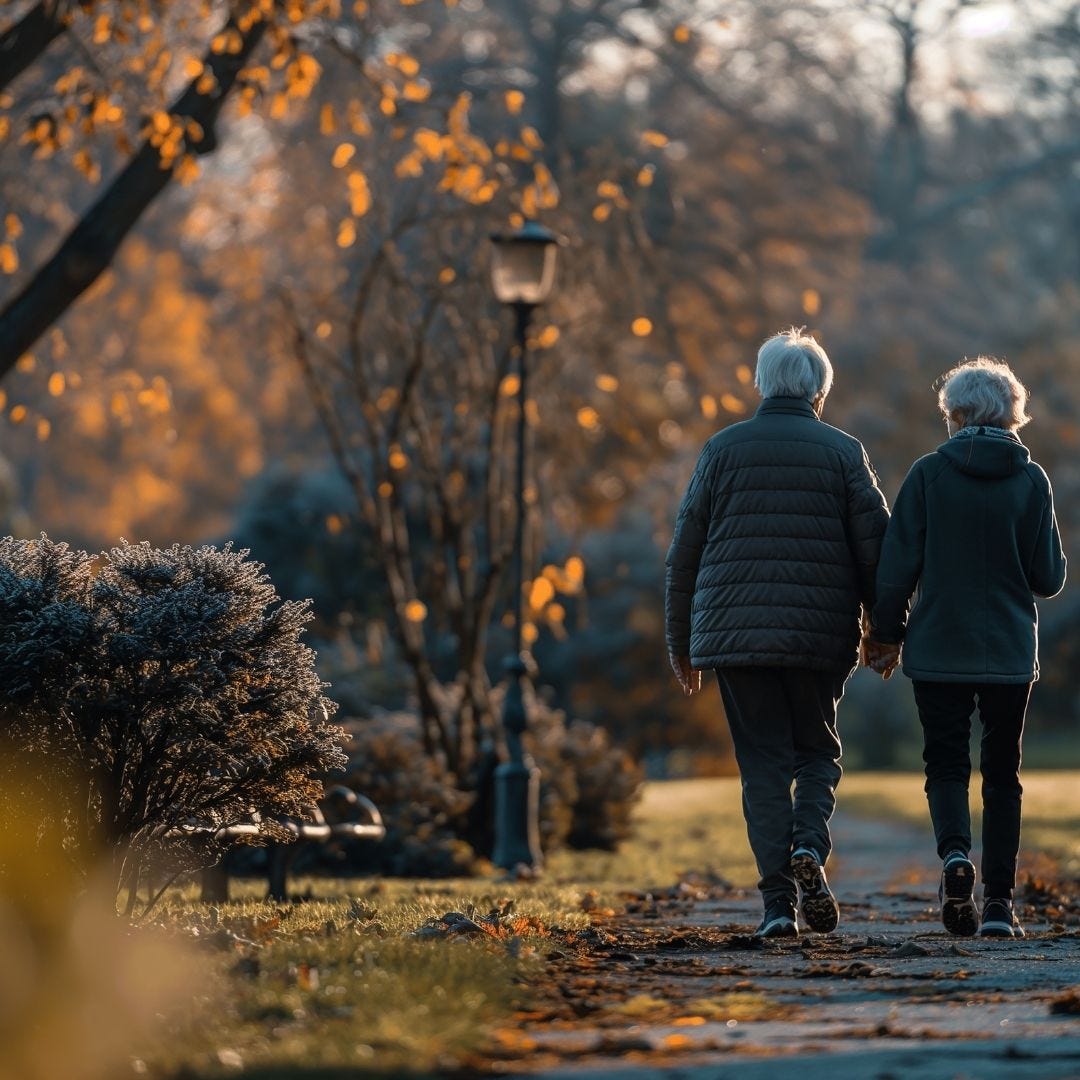
That’s why parks matter more now than ever. They are one of the few places where you can exist without spending money, where human contact isn’t filtered through an algorithm, and where everyone—every income, every age, every background—still has equal access to space, air, and each other.
The Future of the Third Place
The next evolution of community won’t happen in a coffee shop. It’ll happen in a park.
It’ll look like lunchtime walks instead of drive-thru lines. Yoga on the lawn instead of another Zoom meeting. Conversations on benches instead of Slack threads.
We don’t need to reinvent the third place. We just need to reinvest in it.
If you’re ready to plan, design, build, or activate a park or public space, we’d love to talk to you about it!