Science, Technology, Engineering, Art, and Math (STEM/STEAM) education doesn’t have to stop at the classroom door. In fact, some of the most powerful learning happens when students are moving, experimenting, and discovering through play.
With thoughtful design, a playground can become an outdoor learning environment, one that reinforces STEM and STEAM concepts while keeping play at the center. Whether you’re upgrading an existing space or planning a new school playground, here’s how to design a playground that aligns with your STEM/STEAM goals.
Why STEM & STEAM Belong on the Playground
STEM subjects often involve abstract ideas that can be difficult for students to grasp through traditional instruction alone. Playgrounds offer something different: hands-on, real-world experiences that make learning tangible. Research shows that play-based learning acknowledges children's natural curiosity while keeping education at the forefront.
When STEM and STEAM concepts are embedded into play, schools can:
Make learning fun and engaging by turning complex ideas into physical experiences
Encourage critical thinking and problem-solving
Build confidence in STEM subjects, especially for students who may struggle in a classroom setting.
Support collaboration and communication.
Help students better understand the world through observation and exploration.
What Is a STEM/STEAM Playground
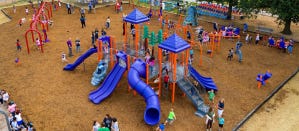
A STEM or STEAM playground is intentionally designed to support learning outcomes alongside free play. Rather than relying on one “educational” feature, these playgrounds incorporate multiple learning zones that encourage exploration across disciplines.
A well-designed STEM/STEAM playground allows students to:
Test physical forces through movement
Explore math concepts through patterns and measurement
Express creativity through art and design
Observe nature and environmental systems
The key is flexibility: spaces that support structured lessons during the school day and open-ended play during recess.
STEM & STEAM Concepts You Can Teach on the Playground
1. Forces & Motion
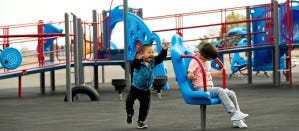
Playgrounds are full of opportunities to experience invisible forces like friction, momentum, and air resistance. Slides, ramps, climbers, and spinning elements all allow students to feel how movement changes based on surface, speed, and angle.
2. Gravity
Gravity is one of the easiest science concepts to demonstrate through play. Jumping, swinging, sliding, and dropping objects all reinforce the idea that what goes up must come down.
3. Balance & Stability
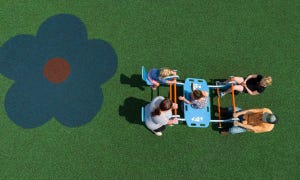
Balance challenges help students understand center of gravity, weight distribution, and body control. This also helps build coordination and strength.
4. Math Through Movement
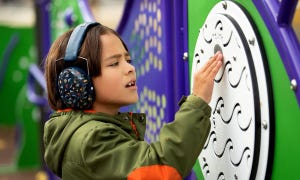
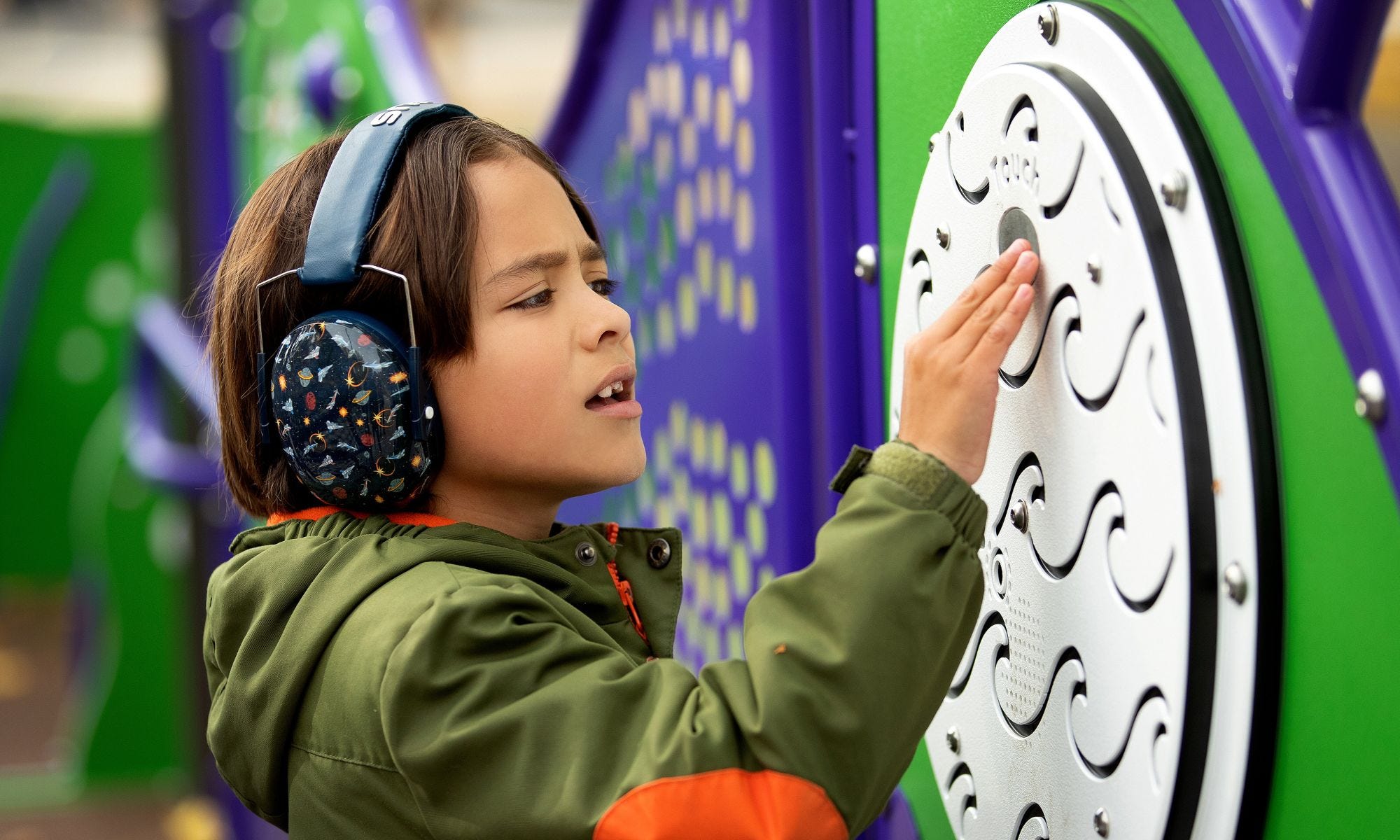
Math concepts like counting, sequencing, geometry, and measurement come alive when students interact with them physically. Children can learn pattern recognition and problem-solving through experiences like sensory panels.
5. Engineering & Problem-Solving
Engineering thinking happens when students plan, test, adjust, and try again. Playgrounds naturally support this mindset through building, climbing, and cooperative challenges.
6. Art & Creativity (The “A” in STEAM)
Creativity plays a vital role in innovation. Art-focused elements help students explore color, sound, design, and self-expression while complementing technical skills. Products like Imagination Art Center support neurological stimulation and inclusion.
7. Nature, Weather & Environmental Science
Outdoor play spaces are ideal for observing weather patterns, seasons, plant life, and animal behavior. Nature-based elements deepen students’ connection to the environment.

Bringing STEM & STEAM to Life With GameTime
GameTime playground solutions are designed to support whole-child development, making them a natural fit for STEM and STEAM-focused schools. From climbers that encourage engineering thinking to panels that reinforce math, science, and creativity, GameTime helps schools create outdoor environments that work as hard as they play.
Whether you’re looking to enhance science instruction, promote collaborative problem-solving, or create an outdoor classroom, GameTime partners with schools to design playgrounds that align with educational goals and inspire lifelong learning.