When you think of a playground, you likely picture a space filled with laughter, movement, and imagination. But beyond the giggles and games, something remarkable is happening: social bonds are forming and communities are coming together.
From early childhood through adulthood, play lays the foundation for how we collaborate and connect with others - and local playgrounds are the perfect setting to spark those meaningful connections.
Childhood Development
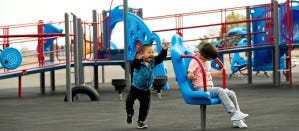
Children love to play and are always excited for new experiences. At the playground, the equipment feels larger than life, and they’re eager to dive in - but unlike solo play at home, this adventure involves a whole group of peers!
The playground is often a child’s first introduction to social interaction. Gaining the following skills will shape how children interact with others in the future:
- Learning to Cooperate and Communicate: Whether negotiating the rules of a game or choosing who goes down the slide next, children are constantly learning how to use both verbal and nonverbal communication to share space and solve problems. These micro-interactions help develop patience, empathy, and leadership—all critical skills for school and beyond.
- Building Relationships with Others: Children expand their social circle at their local playground and are able to connect with those in which they live in community with. This helps them learn about diversity, inclusion, and understanding different perspectives.
- Conflict Resolution: Disagreements are a natural part of group play, and that’s a good thing. On the playground, children are often faced with small conflicts that help them learn how to express themselves, listen to others, and compromise.
- Role Play and Social Understanding: Pretend play allows children to experiment with different social roles and explore real-world scenarios. These imaginative interactions build emotional intelligence and help children understand others’ feelings and viewpoints.
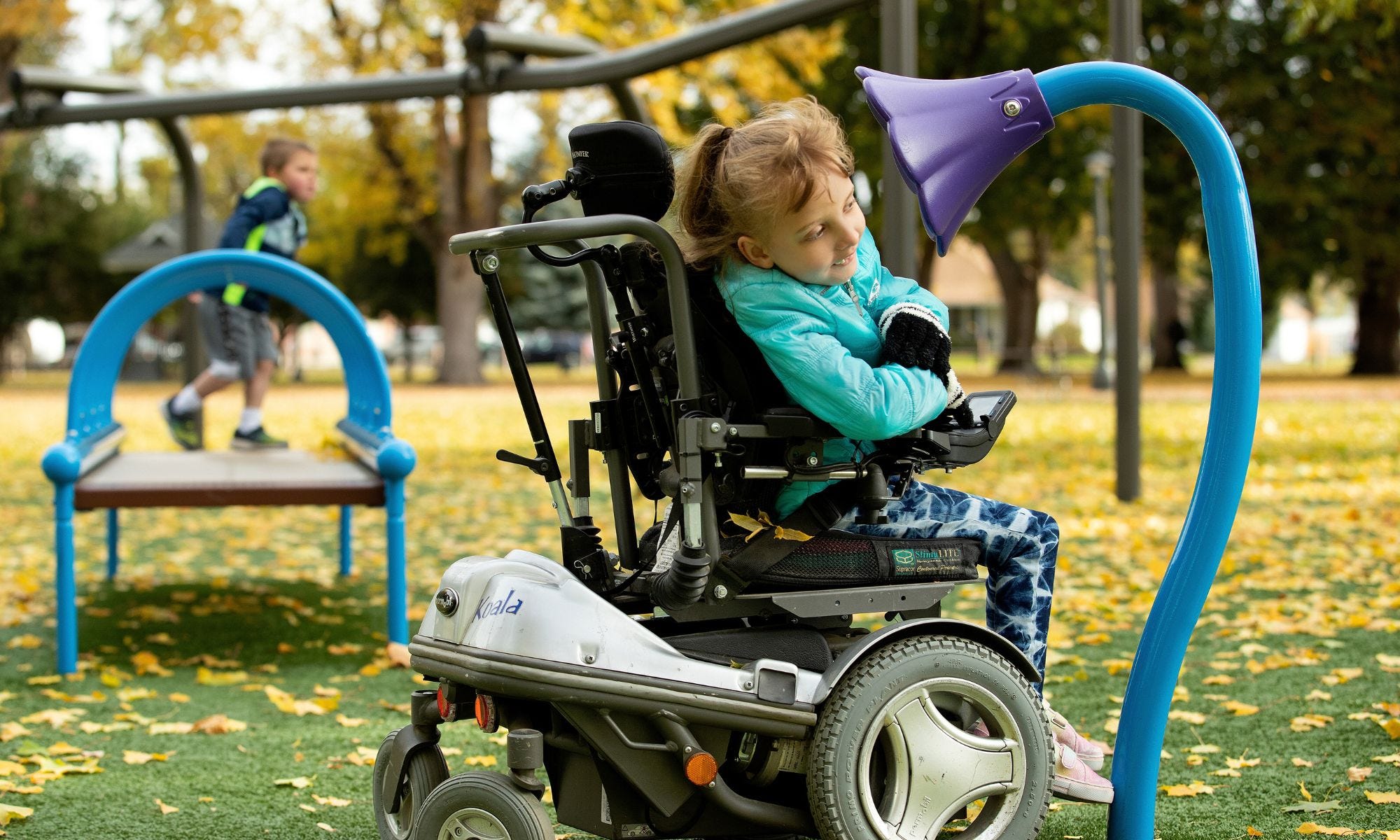
Intergenerational Play
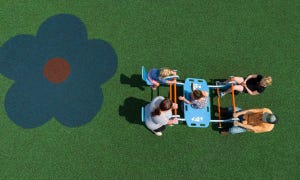
Studies have shown that when parents and children interact with one another in play, there are mutual physical, social, and emotional benefits that are enhanced by the shared experience.
Intergenerational play refers to “an active exchange or connection between and among the generations.” This type of play allows for shared experiences between different age groups that promote understanding, empathy, and stronger family connections. Whether it’s a grandparent enjoying a game with their grandchild or siblings of varying ages exploring a playground together, intergenerational play brings people closer in an active and intentional way.
Outdoor activities that encourage intergenerational interaction are vital for several reasons:
-
Strengthening Bonds: Playing outside creates a common ground where families can connect through shared activity and adventure. These experiences create lasting memories that strengthen relationships with one another.
-
Promoting Physical Health: Every age group benefits from physical activity, and a local park offers something for everyone in the family to enjoy together. When children see their parents staying active, they're more likely to adopt healthy habits that last into adulthood.
-
Encouraging Understanding: We don’t know what we don’t know - and for many generations, perceptions of older or younger age groups are shaped by secondhand stories. Parks are naturally intergenerational spaces, and encouraging playful interactions between generations helps foster empathy, understanding, and mutual respect.
Designing engaging intergenerational environments can be a challenge. To support communities in creating spaces that bring generations together, PlayCore offers “Transformational Impact: Designing Public Spaces to Promote Intergenerational Play & Recreation”, a comprehensive guide to designing environments that foster meaningful intergenerational connections through play and recreation.

Building Community
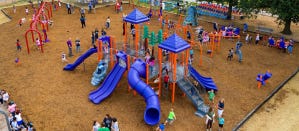
Play has the power to change lives. A well-designed playground strengthens communities, becoming a shared space for learning, connection, and growth. From young children learning to socialize, to adults seeking meaningful interactions, parks offer social benefits that help communities thrive.
Ready to design your intergenerational outdoor space? Connect with a GameTime play expert today and discover the difference play can make in your community.