
Playgrounds for Housing and HOAs
GameTime works with housing authorities, apartment communities, and neighborhoods to create playgrounds for kids that increases curb appeal and attract new families. Our playground equipment combines maximum play value with competitive pricing, easy installation, and the industry’s best warranty.

7 Principles of Inclusive Playground Design
Featured Play Systems for Housing Developments
-
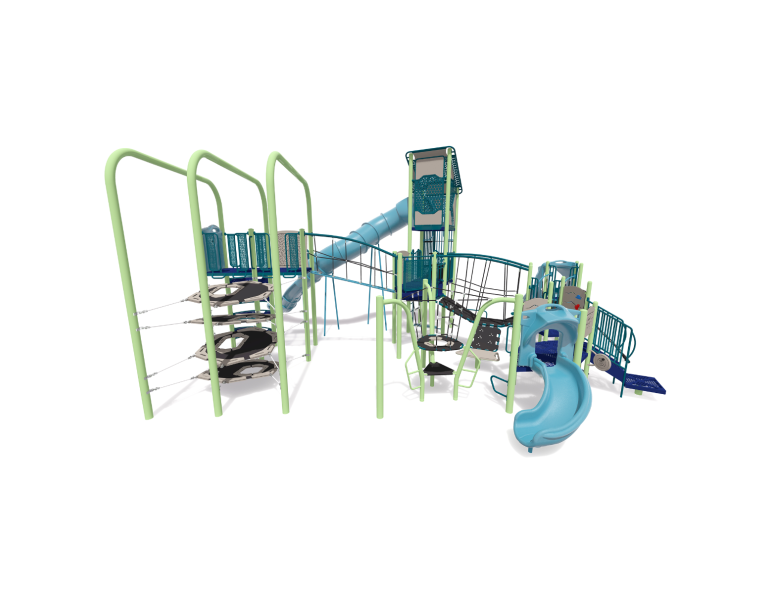 ModelPS25083Age5 to 12 YearsZone47'-10" x 55'-3" (14.58m x 16.84m)Fall Height12' (3.66 m)
 -
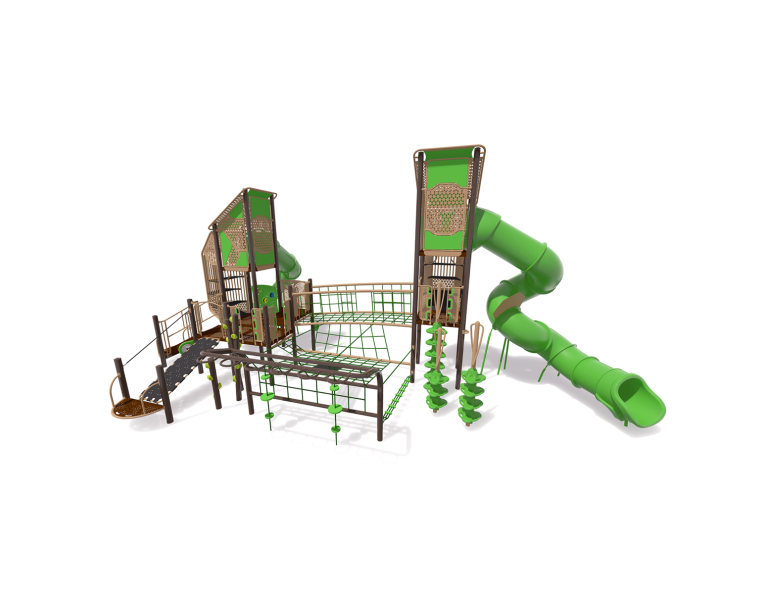 ModelPS25080Age5 to 12 YearsZone61'-5" x 41'-8" (18.72m x 12.7m)Fall Height12' (3.66 m)
 -
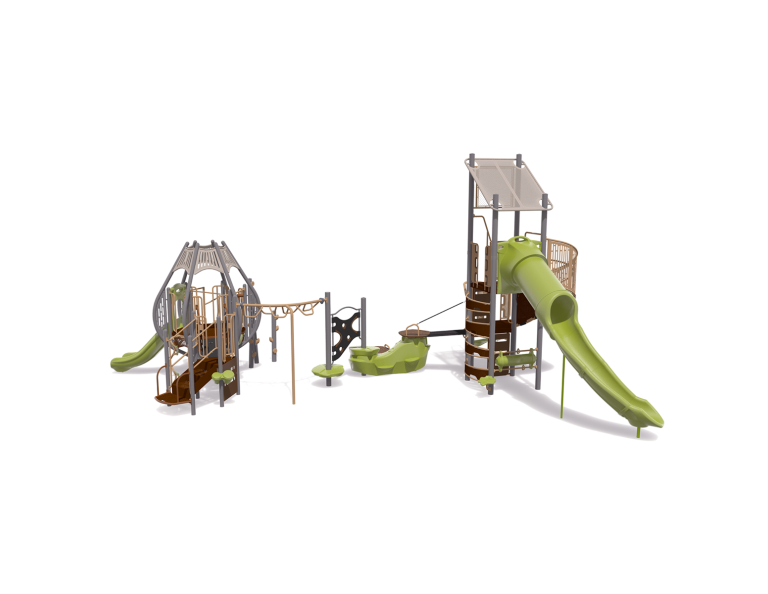 ModelPT25019Age5 to 12 YearsZone57'-3" x 34'-7" (17.45m x 10.54m)Fall Height8' (2.44 m)
 -
 ModelPS26034Age5 to 12 YearsZone49'-5" x 60'-9" (15.06m x 18.52m)Fall Height9' (2.74 m)
 -
 ModelPS26005Age5 to 12 YearsZone57'-9" x 70'-9" (17.6m x 21.56m)Fall Height10' (3.05 m)
 -
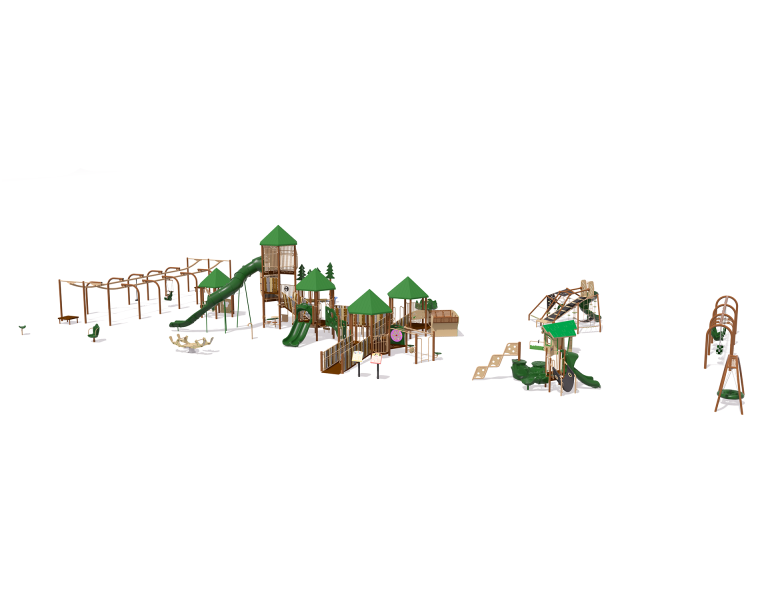 ModelPS24060Age5 to 12 YearsZone162'-7" x 80'-0" (49.55m x 24.38m)Fall Height12' (3.66 m)
 -
 ModelPS24056Age5 to 12 YearsZone100'-7" x 113'-9" (30.66m x 34.67m)Fall Height8' (2.44 m)
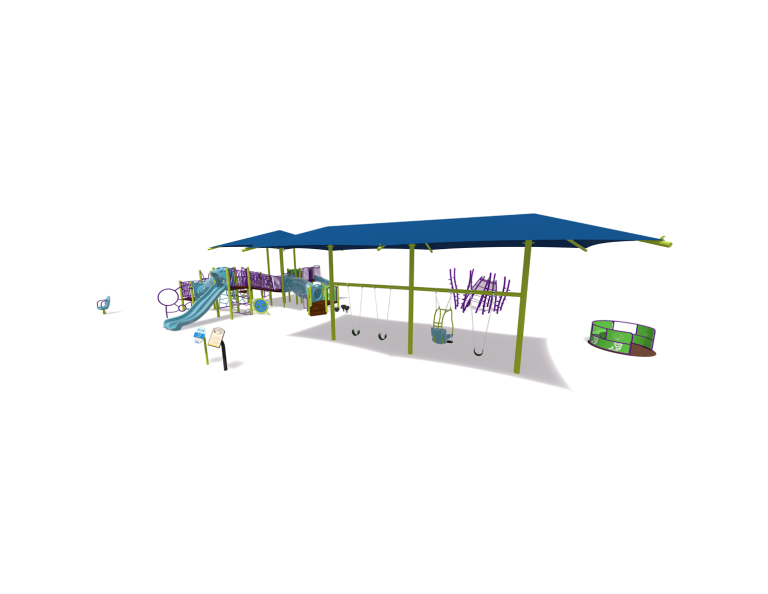


Expression Swing Universal
Create multigenerational play opportunities for adults and children of all abilities with an adaptive swing seat combined with our adult swing seat. The patented design provides the same face-to-face, eye-to-eye design that promotes attunement while at play.
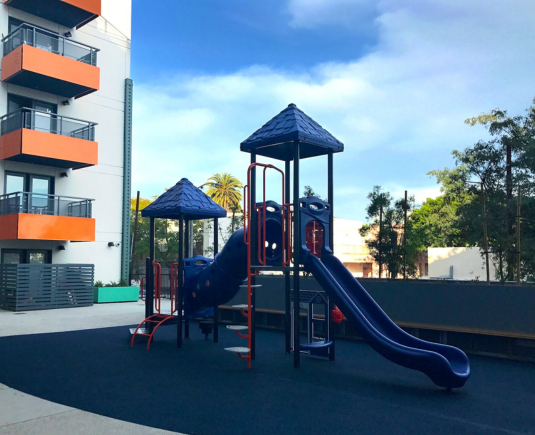
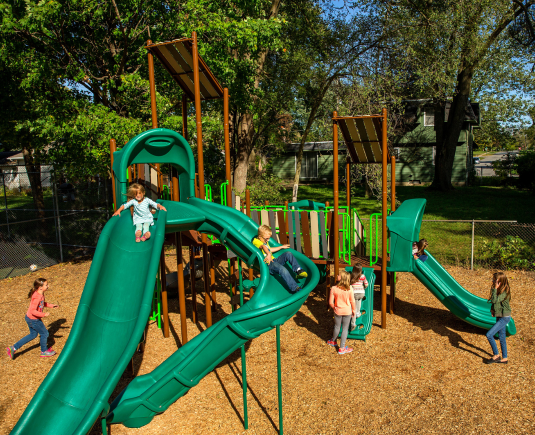
Featured HOA Playground Projects

News from GameTime
Check out the latest news and announcements from GameTime.
Play is a universal right. Through our partnership with Inclusive Play UK, we’re bringing inclusive play experiences to families around the world. This week, we proudly celebrate Inclusive Play’s 20 years of innovation, impact, and commitment to creating spaces where everyone can play.
A Twenty-Year Commitment to Play For All Abilities
Why Inclusive Play Is
According to the National Recreation and Park Association (NRPA), one-third of playground injuries result from incomplete or neglected maintenance, and 84% could be prevented with proper upkeep and supervision.
Routine maintenance keeps playgrounds fully functional, ensuring children continue to enjoy the physical, social, and cognitive benefits of play. Still, maintenance can feel like an overwhelming task. That’s why we offer helpful resources like our Playground Maintenance Guide and Playground Supervision Guide - so you can keep your play space in top condition with confidence and ease.
Why Playground Maintenance Matters
When children arrive at a playground, their first instinct is to dive right into play. In fact, 92.5% don’t pause to inspect the equipment first. That’s why regular inspections are essential - to catch potential issues before they become a larger concern.
To make playground upkeep simple and stress-free, we created the Playground Maintenance Guide. This free guidebook
Everyone has their own memories of playing on their school’s playground. You’d dash to the spot where your friends usually gathered, thrilled to find they were already casting roles for today’s game of “house.” Mimicking your role models, you’d repeat lines your mom often told you: do your homework, eat your dinner, and yes, your socks matching does actually matter.
“House” is a great example of dramatic and social play. It’s a collaborative fantasy children create together, building on each other’s ideas as the narrative unfolds. For many children with autism, this imaginative framework makes peer interaction more predictable—and therefore less intimidating—while also giving them a fun, meaningful way to share their interests and feel understood.
Read on to discover how your school’s playground design can empower children with autism to build meaningful peer connections.
What is Dramatic and Social Play?
Dramatic play is a type of imaginative play where children take on different roles